

The way we work has gone through a complete revolution in the past 100 years. This has been mostly due to the invention of the computer and the internet, which exploded our means and ways of communication in the latter half of the 20th century. Alongside – and thanks to – these changes in our working lives, our offices have gone through a whole evolution of their own. Let's take a look at how our workspaces have changed in the past century, and see where we might be heading in the future.
1900s - 1930s: the paperwork factory
Frank Lloyd Wright’s Larkin Administration Building in New York, which opened in 1906, was designed with the efficiency of an open-plan factory in mind.
It brought the ideas of the Industrial Revolution into the office with large, undivided working floors with rows of identical workstations. The concept rapidly spread. By the 1920s, it became the go-to design for the corporate world.
1940s - 1950s: adapt and survive
Frank Lloyd Wright’s concept lasted into the Second World War, but businesses had to adapt. The military started to appropriate spaces across Europe, so makeshift offices were cobbled together to make extra room.
Air-raid targets also had to think about security. Windowless, underground offices became a necessary installation for safety purposes. Many of these continued to be used into the 1950s, when rebuilding efforts centred on affordable housing and creating new industries.
1960s: Burolandschaft
Burolandschaft (which is German for office landscaping) disrupted the regimentation of these old offices. This aimed to make spaces mimic the natural ebb and flow of human interaction. By the 1960s, this ergonomic approach spread worldwide.
Plastic furniture made redesigning offices both cheaper and easier. This encouraged innovation as companies created spaces that imitated how workers were communicating, or reflected their corporate image and ideals.
1970s - 1980s: the robot takeover
In the 1970s and 1980s, offices switched their focus from humans to our computers. Desks were rearranged into clusters or rows around power points and communication became an increasingly electronic affair.
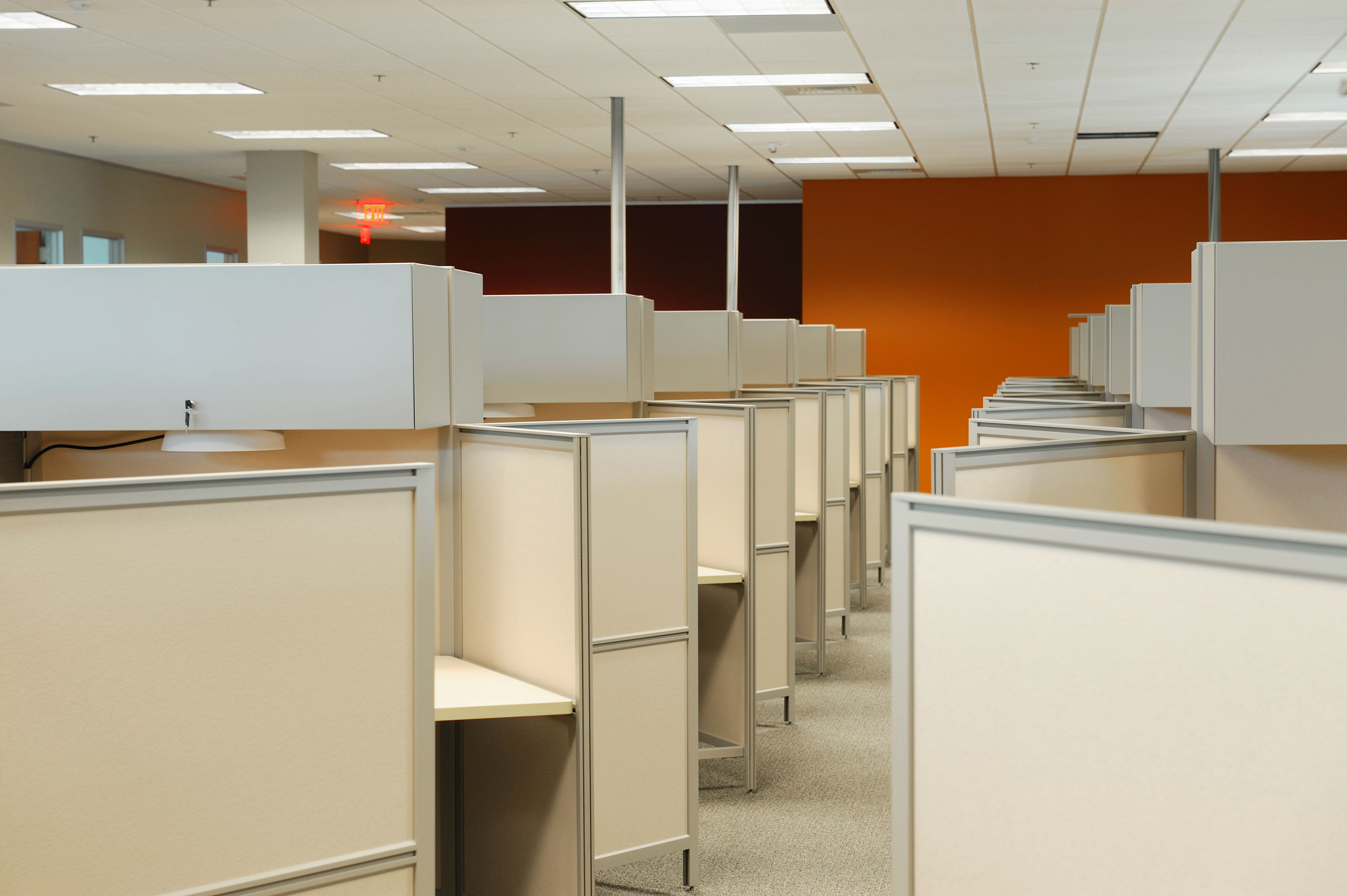
1990s: rise of the cubicle
Designer Robert Propst originally intended the cubicle to be a large, private space with adjustable walls. That idea flopped. However, in the merger melee of the 1980s and 1990s, corporate structures started to shift regularly, which meant that office spaces became more expensive. As companies tried to cope with these changes, cheaper, moveable cubicles became the norm.
2000 - 2010s: creative spaces
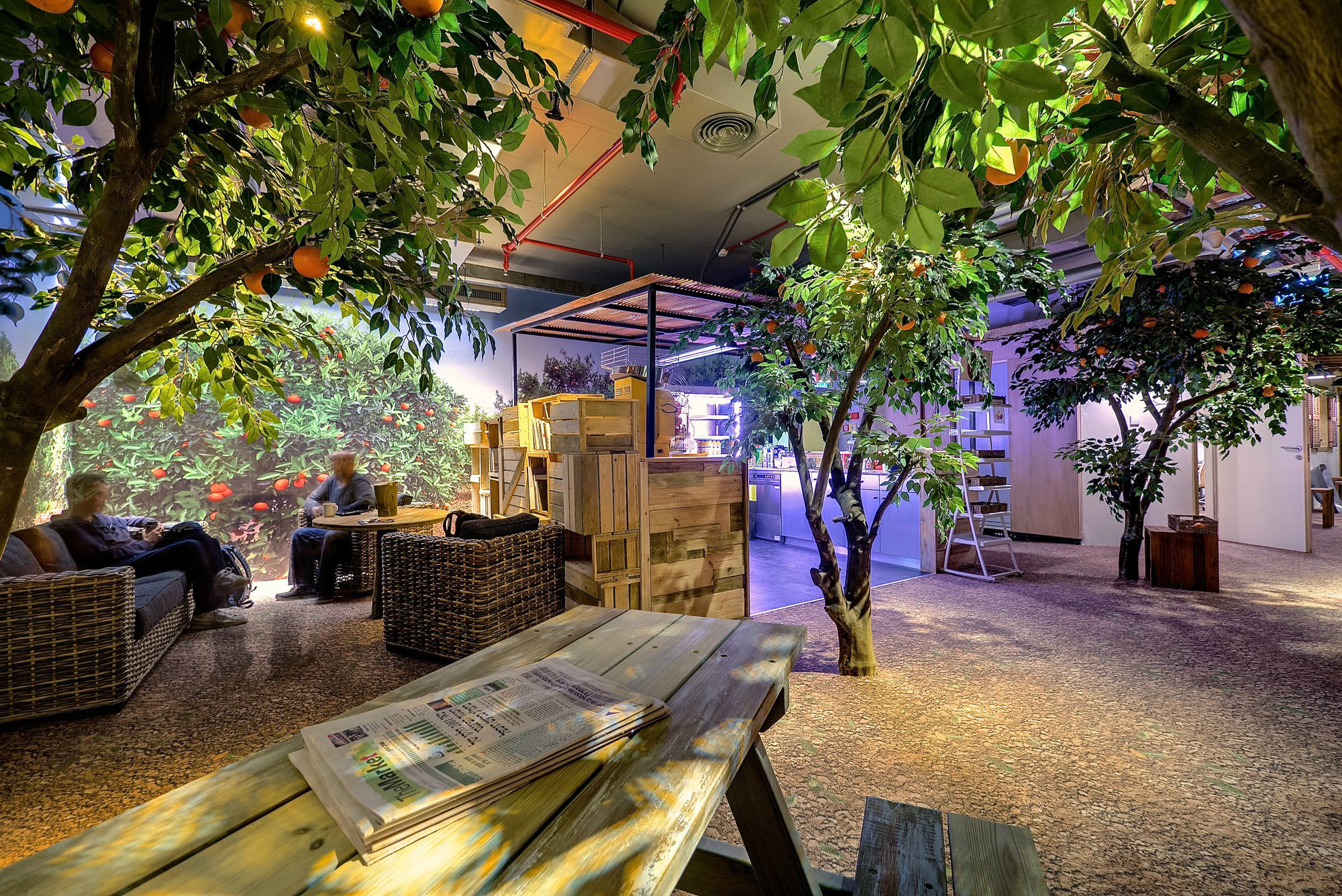
The arrival of online disruptors like Apple, Google, eBay and Amazon meant business was no longer about boardroom rivalries – instead, the focus was on ideas that change the way we live and work. Consequently, new spaces were designed to encourage free thinking, innovation and fresh concepts. Slides, sleeping pods and games rooms all made an appearance.

2020 and beyond: flexible working
This shift to small, mobile and creative business models has empowered entrepreneurs and small businesses. It's also inspired big companies to start using more flexible models of working – taking a leaf out of small enterprises' book. This is already leading to the rise of short-term leases and co-working spaces. Here overheads are minimal, ideas can flow and headcount can be adjusted quickly.
We expect to see more shared spaces around the world, helping businesses to have a global presence, without a big budget. This will mean empowering workers to travel, while keeping access to meeting rooms and high-speed broadband.
Just as we’ve seen the office escape the strict confines of industrial work, we’re now seeing it beat the problem of limited space and tight budgets. It's time for the next stage in the evolution of our global workspaces.
Take the next step in your workspace journey with a Regus co-working space for your company.